

Table of Contents
- Sawdust Briquette Charcoal vs Lump Charcoal
- Benefits of Sawdust Briquette Charcoal
- Benefits of Lump Charcoal
- Pros and Cons of Both Charcoal Types
- Which Charcoal Is Better?
- Buyer Guide for Charcoal Selection
Sawdust vs Lump Charcoal: Which Burns Better
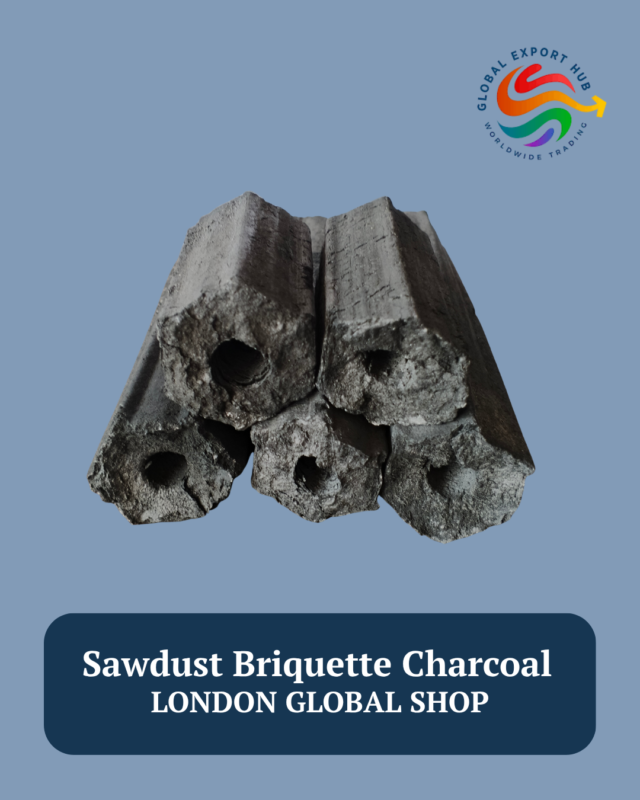
Choosing the right charcoal can influence cooking performance, burn time, heat consistency, and overall fuel efficiency. Sawdust Briquette Charcoal and lump charcoal are two popular options, but they offer different characteristics for household, restaurant, barbecue, and commercial applications.
This comparison explains the advantages and disadvantages of both options so buyers can select charcoal according to their specific needs. Understanding their differences is especially important for businesses purchasing fuel in larger quantities.
Benefits of Sawdust Briquette Charcoal
Sawdust Briquette Charcoal is produced by compressing processed sawdust or other wood residues into a consistent briquette shape. This process makes use of wood by-products that might otherwise become waste, providing an alternative fuel source with a standardized form.
One major advantage is consistency. Uniform briquettes generally provide predictable sizing and burning behavior, which can be useful for restaurants, barbecue businesses, and other commercial users that require reliable fuel performance.
- Uniform shape and size for easier handling.
- Efficient use of wood-processing residues.
- Consistent burning performance when properly manufactured.
- Convenient storage and transportation.
- Suitable for various cooking and heating applications.
For businesses focused on sustainability, Sawdust Briquette Charcoal can also support better utilization of wood waste. Learn more about charcoal and related fuel concepts through this trusted reference source.
Benefits of Lump Charcoal
Lump charcoal is traditionally produced by heating natural wood in a controlled environment with limited oxygen. Because it retains the irregular shape of the original wood pieces, each lump can differ in size, density, and burning characteristics.
Many barbecue enthusiasts prefer lump charcoal because it can ignite relatively quickly and produce strong heat. Its natural wood character can also contribute to a distinctive cooking experience, depending on the wood species used.
- Natural irregular wood pieces.
- Can reach high cooking temperatures.
- Often ignites quickly.
- Suitable for grilling and barbecue applications.
- Different wood species can provide different characteristics.
However, lump charcoal can vary significantly from batch to batch. Smaller pieces may burn faster, while larger and denser pieces can remain hot for longer periods.
Pros and Cons of Both Charcoal Types
Both charcoal types have practical advantages, but neither option is automatically better for every application. The best choice depends on heat requirements, burn duration, handling preferences, budget, and sustainability goals.
- Sawdust Briquette Charcoal pros: consistent shape, easier handling, efficient residue utilization, and predictable sizing.
- Sawdust Briquette Charcoal cons: performance depends heavily on raw material quality, binder selection, density, and manufacturing standards.
- Lump charcoal pros: natural appearance, quick ignition, strong heat potential, and suitability for traditional grilling.
- Lump charcoal cons: irregular sizes, potentially inconsistent burn times, and greater variation between wood types and production batches.
Which Charcoal Is Better?
There is no universal winner between Sawdust Briquette Charcoal and lump charcoal. For users who prioritize uniformity, efficient storage, predictable sizing, and commercial consistency, briquettes can be an attractive option.
For users who prioritize traditional grilling characteristics, fast ignition, and the natural properties of different wood species, lump charcoal may be preferable. Restaurants and barbecue operators should evaluate their equipment and cooking methods before selecting a fuel.
Buyer Guide for Charcoal Selection
When sourcing charcoal, buyers should look beyond appearance and compare important quality factors. These factors can directly influence operating costs and customer satisfaction.
- Check moisture content and storage conditions.
- Evaluate briquette density or lump size consistency.
- Consider burning time and heat requirements.
- Review ash production for the intended application.
- Ask suppliers about raw materials and manufacturing processes.
- Request samples before placing large commercial orders.
For businesses searching for dependable Indonesian charcoal products, CV BERKAH WIJIL provides access to export-oriented product information and sourcing solutions. Visit our website to explore more products and business opportunities.
Ultimately, Sawdust Briquette Charcoal can be an excellent choice for buyers seeking standardized fuel made from wood residues, while lump charcoal remains a strong option for traditional grilling. Comparing quality, application, and supplier reliability is the smartest way to determine which fuel delivers the best value.
Direvisi oleh adminDG
