

Table of Contents
- Cooking Applications
- Heating and Warmth
- Filtration and Carbon Uses
- Craft and Industrial Applications
- Choosing Quality Charcoal
- Safety Considerations
Hardwood Charcoal: 7 Best Uses Beyond Home Grilling
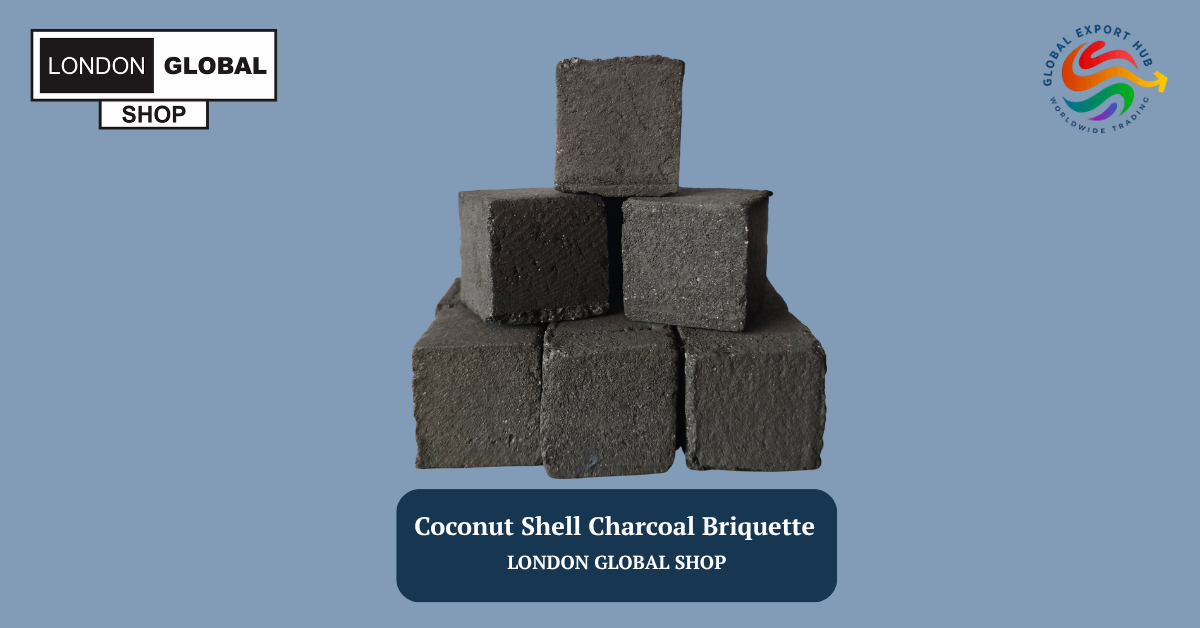
Hardwood Charcoal is widely recognized as a reliable fuel for grilling, but its usefulness extends well beyond backyard cooking. Produced by heating hardwood under controlled conditions with limited oxygen, it offers high heat output, relatively low moisture, and practical versatility.
Understanding these alternative applications can help households, businesses, artisans, and industrial users choose the right charcoal for their specific needs.
1. Traditional Cooking Applications
One of the most practical uses of Hardwood Charcoal is traditional cooking. It can provide consistent heat for outdoor kitchens, clay ovens, specialty cooking equipment, and food preparation methods that require direct or indirect charcoal heat.
Charcoal can also be useful where electricity or gas is unavailable. For commercial users, selecting uniform pieces can make temperature management easier and help maintain a predictable cooking process.
2. Heating and Warmth
Hardwood Charcoal can serve as a compact heat source in appropriate charcoal-burning appliances and controlled environments. Its ability to produce substantial heat makes it useful for certain traditional heating applications.
However, charcoal should never be burned indoors or in poorly ventilated spaces unless the equipment is specifically designed and safely vented for that purpose. Carbon monoxide is an invisible and potentially dangerous combustion byproduct.
3. Filtration and Carbon-Based Uses
Charcoal is also associated with carbon-based filtration materials. Activated carbon, which is processed to create a highly porous structure, is used in various filtration systems for removing certain impurities and odors.
It is important to distinguish ordinary Hardwood Charcoal from activated carbon. They are not interchangeable products, and filtration applications generally require specially manufactured activated carbon with appropriate specifications.
For general background on charcoal and related carbon materials, readers can explore this trusted reference.
4. Art, Craft, and Drawing
Charcoal has a long history in visual art. Artists use charcoal sticks, pencils, and powder to create expressive drawings, sketches, shading, and tonal studies.
While specialized artist charcoal is usually manufactured for artistic performance, natural wood charcoal can inspire craft projects and traditional drawing techniques. Its dark marks and easy blending make charcoal particularly useful for creating strong contrast.
5. Metalworking and Specialized Heat Applications
In some traditional metalworking environments, charcoal has been used as a fuel because it can reach high temperatures while producing less smoke than untreated wood. Blacksmiths and artisans may use suitable charcoal in furnaces, forges, or other specialized equipment.
The exact charcoal specification depends on the application. Factors such as piece size, density, ash content, moisture, and heating characteristics can influence performance.
6. Hospitality and Commercial Applications
Restaurants, catering businesses, food stalls, and hospitality operations can use Hardwood Charcoal for more than standard grilling. Specialty ovens, charcoal cooking stations, and traditional food preparation can all benefit from a dependable solid fuel.
Commercial buyers should evaluate charcoal based on consistent quality, packaging, supply reliability, and intended application. Buying from a dependable supplier can also simplify recurring procurement.
7. Choosing Quality Hardwood Charcoal
Quality is important when selecting charcoal for commercial or specialized applications. Good material should be relatively dry, appropriately sized, and free from excessive foreign matter.
Consider these factors before purchasing:
- Hardwood species and production method
- Moisture level and storage conditions
- Piece size and consistency
- Ash content and combustion characteristics
- Packaging and transportation requirements
- Intended application and required heat performance
Safety Considerations
Hardwood Charcoal should always be handled with appropriate care. Burning charcoal can produce carbon monoxide, so adequate ventilation and suitable equipment are essential.
Keep charcoal dry and stored away from ignition sources. Follow the manufacturer’s instructions for any stove, furnace, grill, or charcoal-burning equipment, and allow hot charcoal to cool completely before disposal.
Explore Reliable Charcoal Solutions
From traditional cooking and controlled heating to artistic and specialized applications, Hardwood Charcoal can serve many purposes when the appropriate grade is selected. Understanding its characteristics helps buyers match the fuel to their operational requirements.
For more information about available products and business solutions, visit CV BERKAH WIJIL’s website. Selecting the right charcoal starts with understanding your application, required specifications, and expected performance.
