

Table of Contents
- Choosing Hardwood Charcoal for High Heat
- Signs of High-Quality Hardwood Charcoal
- How Hardwood Charcoal Supports High-Heat Grilling
- 7 Tips for Better Grilling Results
- Storage and Handling Guide
Grilling Hardwood Charcoal Guide for High Heat
Hardwood Charcoal is a popular fuel for cooks who want strong heat, dependable performance, and a naturally smoky grilling character. Made from hardwood that has been heated with limited oxygen, it can provide an efficient cooking fuel for restaurants, caterers, outdoor kitchens, and home grill enthusiasts.
For high-heat grilling, the right charcoal should ignite reliably, reach a useful cooking temperature, and maintain heat long enough to finish the food. Quality also matters because clean-burning fuel can help reduce excessive ash and make the grill easier to manage.
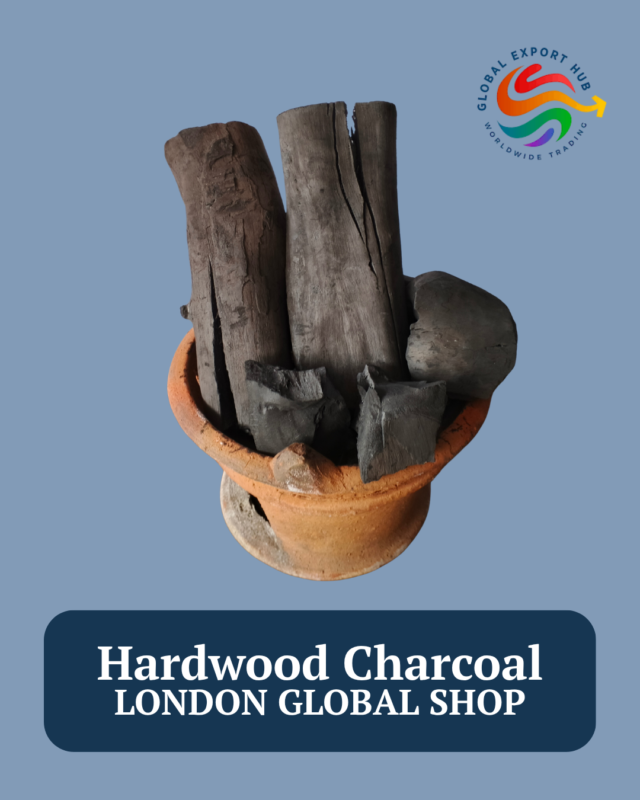
Signs of High-Quality Hardwood Charcoal
Not all charcoal performs the same way. Hardwood Charcoal made from dense, properly processed wood generally offers a strong balance of heat output, burn time, and manageable ash production.
- Dense pieces: Larger, solid pieces often burn more steadily than fragile fragments.
- Consistent sizing: A balanced mix helps airflow and makes heat easier to control.
- Low excess dust: Less powder can improve handling and airflow around the fuel.
- Clean appearance: Charcoal should be properly carbonized without obvious contamination.
- Reliable burning: Good fuel should develop a stable bed of glowing coals.
These characteristics are especially useful for grilling foods that require intense direct heat, such as steaks, burgers, skewers, and vegetables that benefit from quick searing.
How Hardwood Charcoal Supports High-Heat Grilling
High-heat grilling depends on both fuel quality and airflow. Hardwood Charcoal can create a concentrated bed of embers that supports searing while giving the cook control over the distance between the food and the heat source.
Compared with ordinary fuel that may contain inconsistent pieces, well-prepared charcoal can make temperature management more predictable. This is valuable in commercial kitchens where repeatable cooking results are important.
The flavor profile also matters. Depending on the wood species and production method, charcoal can contribute a subtle smoky character without overwhelming the natural taste of meat, seafood, or vegetables.
7 Tips for Better Grilling Results
Using Hardwood Charcoal effectively is more than simply lighting the fuel. Follow these practical steps to build a hotter, more stable grilling setup.
- Use enough fuel: Build a sufficient coal bed for the cooking area instead of spreading a thin layer.
- Prioritize airflow: Keep vents open during ignition and adjust them gradually as the coals become hot.
- Wait for glowing embers: Allow the surface to develop a consistent glow before cooking.
- Create heat zones: Arrange the coals for direct and indirect cooking so food can move away from intense heat.
- Preheat the grate: A hot grate improves searing and helps reduce sticking.
- Control the lid: Closing the grill can retain heat, while vent adjustments help regulate combustion.
- Monitor the food: High heat cooks quickly, so turn and move food according to its size and cooking stage.
For a deeper background on charcoal production and properties, see this trusted charcoal reference. For product information and business inquiries, visit our website.
Storage and Handling Guide
Proper storage helps preserve the performance of Hardwood Charcoal. Keep bags in a dry, covered area away from rain, standing water, and excessive humidity, because moisture can make ignition difficult.
- Store charcoal on a raised, dry surface.
- Keep packaging sealed until the product is needed.
- Avoid mixing charcoal with chemicals, oils, or other contaminants.
- Use older stock first when managing bulk inventory.
For restaurants and B2B buyers, consistent sourcing can be just as important as the charcoal itself. A dependable supplier can help maintain stable fuel specifications, packaging requirements, and supply continuity.
Final Thoughts on Hardwood Charcoal
Choosing Hardwood Charcoal for high-heat grilling can improve heat control, cooking consistency, and overall grilling efficiency. Look for dense, clean, consistently processed fuel, then combine it with good airflow and sensible heat-zone management.
Whether you are preparing a weekend barbecue or supplying a professional food-service operation, the best results come from matching charcoal quality to your cooking method. With the right fuel and technique, high-heat grilling becomes easier to control and more repeatable.
Direvisi oleh adminDG
