
What Is Charcoal and How Is It Made?: charcoal facts guide
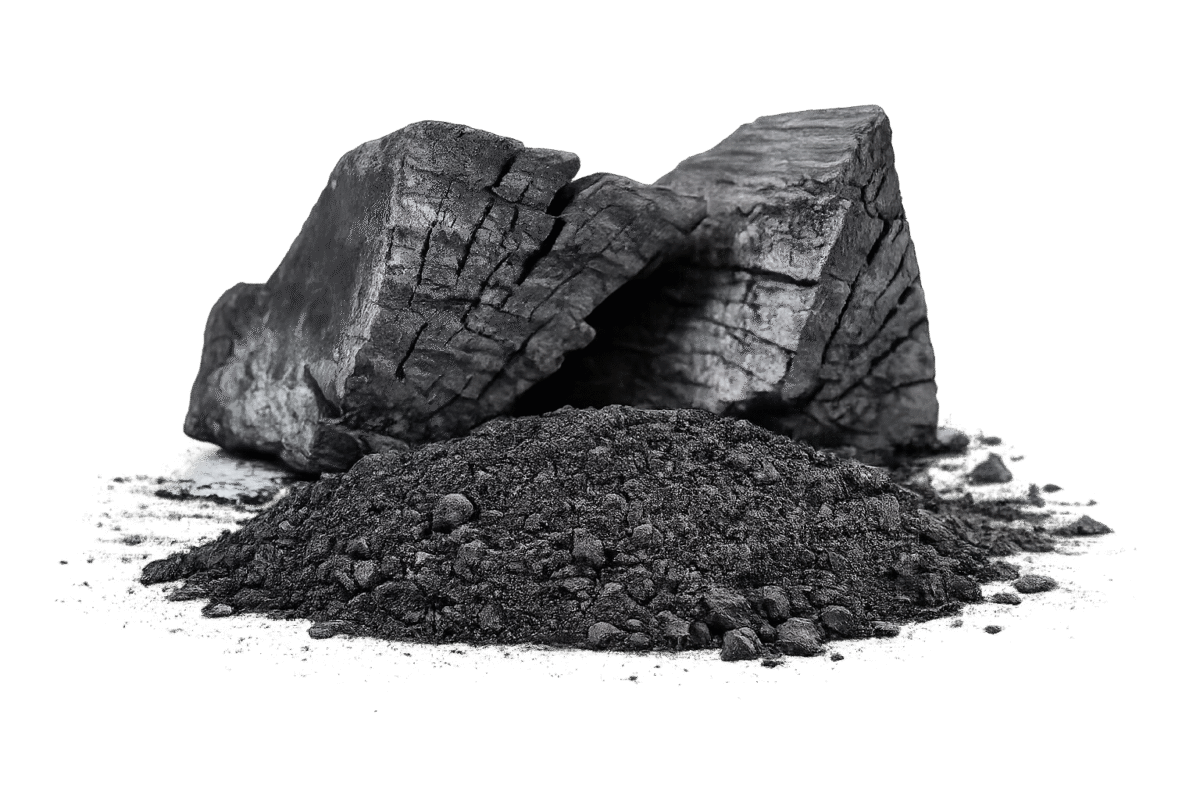
Charcoal is a carbon-rich material produced by heating wood or other organic matter with very limited oxygen. This controlled process removes much of the moisture and volatile compounds, leaving a lightweight solid that can burn with steady heat.
H2 1: Industrial Carbonization Standards and Laboratory Testing
For centuries, charcoal has been used for cooking, heating, metalworking, water treatment, and other applications. Understanding how it is produced helps buyers choose the right type for household, commercial, or industrial needs.
H2 3: Sourcing Reliable Indonesian Charcoal for Global Enterprises
How Charcoal Is Made
Charcoal production is called carbonization or pyrolysis. Wood is heated in a low-oxygen environment so it does not burn completely; instead, heat breaks down compounds and concentrates carbon in the remaining material.
Traditional producers may use earth-covered pits, brick kilns, or metal drums. Modern facilities often use controlled retorts that regulate temperature, airflow, and heating time for more consistent results.
- Wood selection: Dry, clean hardwood is commonly chosen for dense and durable fuel.
- Preparation: Wood is cut into manageable pieces and dried to reduce excess moisture.
- Heating: The material is heated while oxygen is restricted, allowing carbonization to occur.
- Cooling: The finished material must cool in a controlled environment before exposure to air.
- Sorting: Pieces are screened, graded, and packed according to size and intended use.
Types of Charcoal and Their Uses
Lump fuel is made from natural wood and usually contains fewer additives. It can light relatively quickly and is popular for grilling because it can produce high heat and a distinctive cooking character.
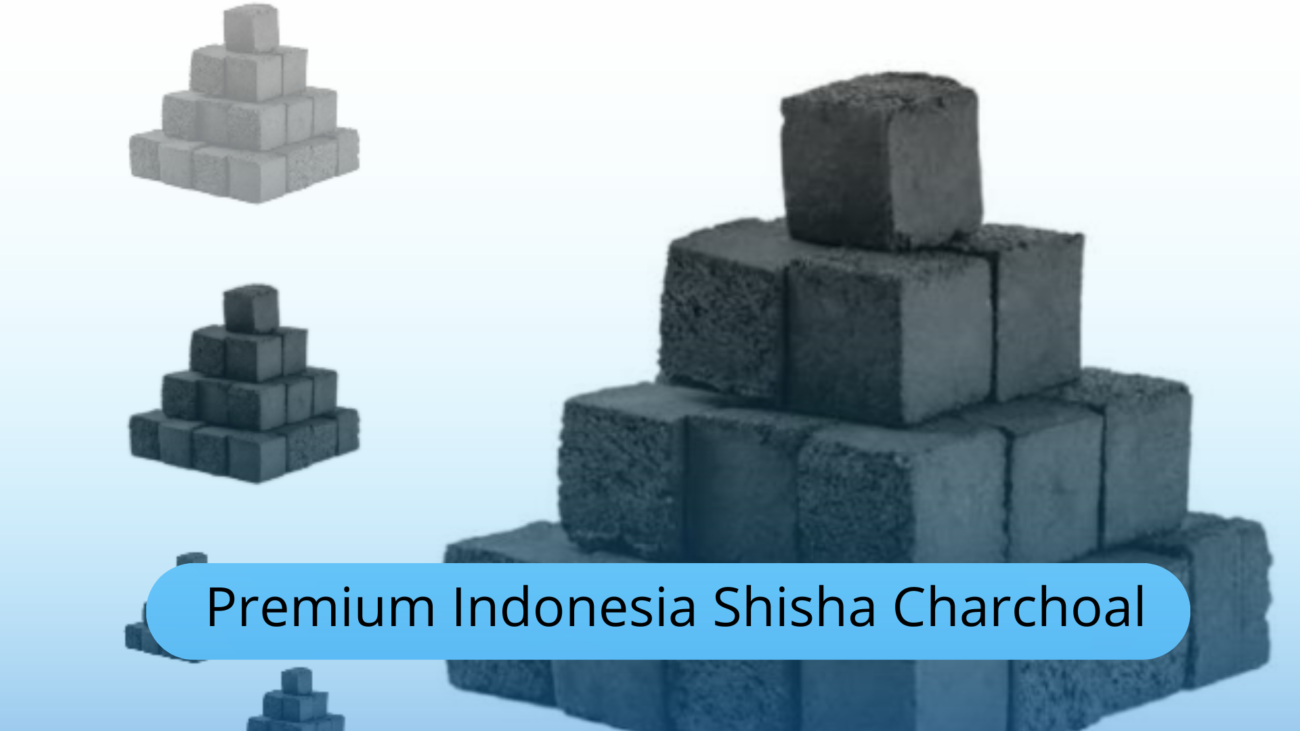
Briquettes are formed from small carbonized particles, often combined with a binder and other permitted ingredients. Their uniform shape makes them convenient for predictable burning, especially in restaurants and commercial cooking environments.
Activated carbon is a specialized material processed to create a highly porous structure. Because its surface can adsorb certain substances, it is used in filtration and industrial applications; it should not be confused with ordinary cooking fuel.
Common Charcoal Uses
One major use is cooking, where consistent heat is important for grilling and roasting. This fuel can also support small-scale heating and selected industrial processes where a carbon-based fuel or reducing agent is required.
- Outdoor grilling and barbecue cooking
- Restaurant and food-service cooking
- Metalworking and selected industrial applications
- Water and air filtration when specially activated
- Art materials, depending on the specific formulation
The right product depends on the application. Cooking fuel should be intended for food use, while filtration media and industrial grades require specifications suited to their particular purpose.
Charcoal Quality and Safety Tips
Charcoal quality can vary significantly between suppliers. Factors such as wood species, moisture level, kiln design, heating temperature, cooling time, and screening affect density, ash content, burn duration, and heat output.
Proper charcoal storage also affects performance. Keep the product dry, protected from rain and ground moisture, and stored away from ignition sources or materials that could easily catch fire.
For businesses, consistent sizing and reliable packaging can make daily operations easier. Restaurants and retailers may benefit from selecting a supplier that can maintain stable quality and provide clear product specifications.
Always use fuel in a well-ventilated area and never burn it indoors or in enclosed spaces. Incomplete combustion can produce carbon monoxide, an odorless gas that can become dangerous without warning.
Environmental considerations also matter. Responsible sourcing, efficient kilns, proper replanting practices, and better production controls can reduce waste and pressure on forests. Consumers can help by choosing suppliers that provide clear information about sourcing and production.
For background information on carbonization and related materials, visit Wikipedia as a general reference. For product information and business updates from CV BERKAH WIJIL, visit our website.
In short, charcoal is created by carefully heating organic material under restricted oxygen. Its final properties depend on the raw material, production method, temperature, and intended application, making production knowledge essential for selecting the right product.
Direvisi oleh adminDG